5 Ways Shop Assisted Living Homes Improve Dementia Care Outcomes
Business Name: BeeHive Homes of St George Snow Canyon
Address: 1542 W 1170 N, St. George, UT 84770
Phone: (435) 525-2183
BeeHive Homes of St George Snow Canyon
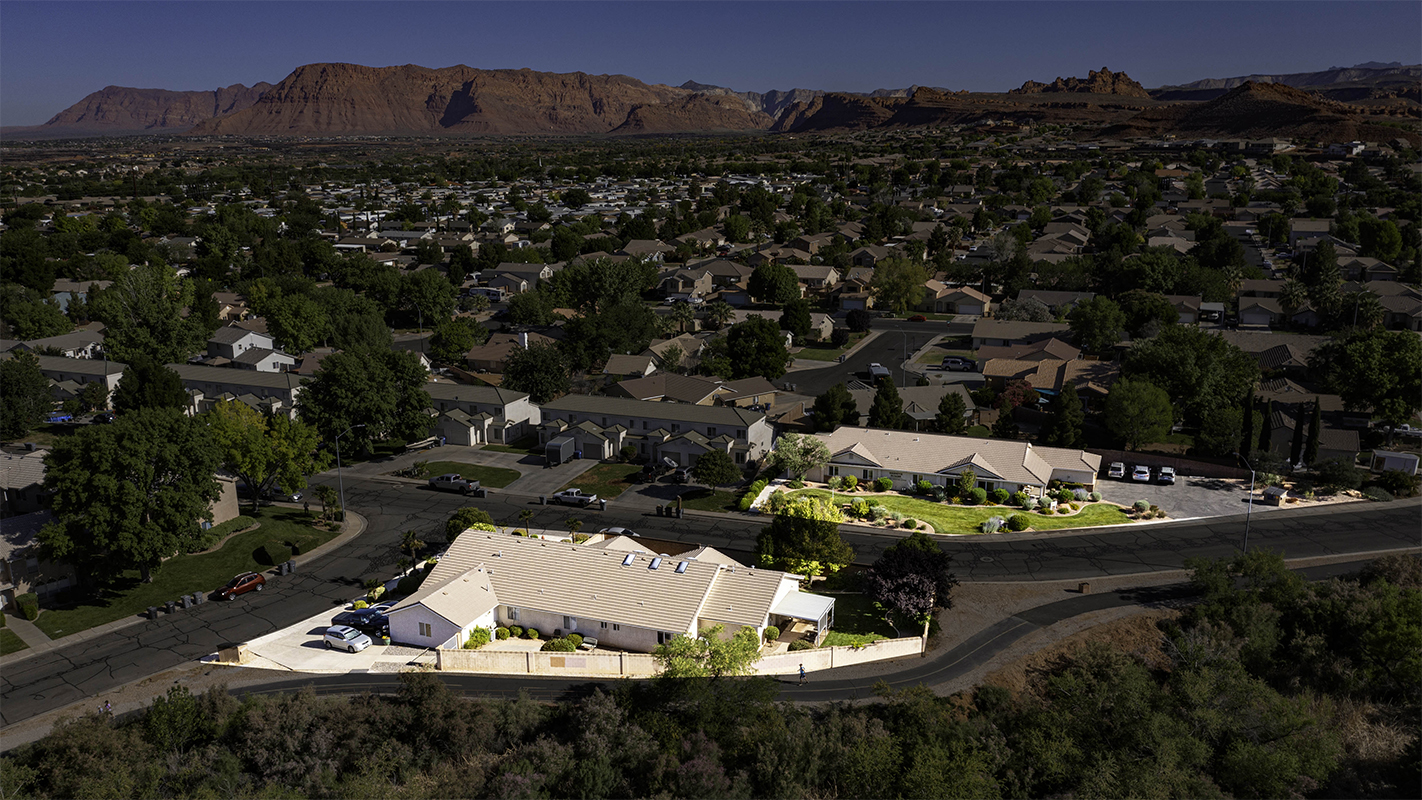
Located across the street from our Memory Care home, this level one facility is licensed for 13 residents. The more active residents enjoy the fact that the home is located near one of the popular community walking trails and is just a half block from a community park. The charming and cozy decor provide a homelike environment and there is usually something good cooking in the kitchen.
1542 W 1170 N, St. George, UT 84770
Business Hours
Families normally begin taking a look at assisted living or memory care after something specific happens. A fall. A roaming event. Medication errors that scare everybody. By the time I meet them, they are not comparing paint colors. They are trying to prevent a crisis from ending up being a pattern.
Over the years, I have actually seen the exact same thing play out: residents with dementia tend to do much better in smaller sized, extremely structured, relationship driven homes than in big, hotel style senior care settings. Not everyone, and not in every situation, but enough that it is hard to ignore.
Boutique assisted living homes, often called residential care homes or little board and care, generally serve 4 to 16 homeowners in a home sized environment. When they are well run, they form every aspect of the day around the specific needs of people living with dementia.
Before we dig into the details, here are the 5 crucial ways I have actually seen store homes improve dementia care outcomes:
- Smaller scale and consistent staffing decrease confusion and behavioral distress
- Highly customized routines and activities support remaining abilities
- Thoughtful environments lower falls, agitation, and wandering danger
- Deep family collaboration and versatile respite care avoid burnout
- Close health coordination captures medical issues earlier and avoids unneeded hospitalizations
The rest of this article strolls through each of these, with useful examples and some hard made nuance.
Why scale matters a lot in dementia care
A person living with dementia works more difficult than the majority of us realize simply to stay up to date with fundamental daily life. Every new face, every corridor, every choice needs additional cognitive effort. In a huge senior care neighborhood with dozens or numerous residents and rotating personnel, the environment can end up being a consistent cognitive obstacle course.
Boutique assisted living homes flip that formula. Less citizens. Fewer team member. Less locations to get lost. That simplicity is not a luxury for somebody with dementia, it is a healing tool.
Families often inform me, "She remembers the caretaker's name here, but in the bigger structure she could not keep anybody directly." That is not a coincidence. The brain with dementia leans greatly on repetition, routine, and emotional familiarity. A small home setting naturally provides all three.
Of course, small does not immediately indicate high quality. A small home with disorderly management or poor training can be far even worse than a well managed larger assisted living neighborhood. Scale is an advantage just when it is coupled with structure and skill.
1. Smaller sized scale and constant staffing decrease confusion and distress
In shop homes, among the crucial benefits is how simple it becomes to develop steady relationships. A normal pattern appears like this: a constant team of caretakers, often 4 to 10 people overall, cover all shifts for a house of 6 to 12 homeowners. Over a couple of weeks, citizens and staff understand each other's voices, steps, and habits.
That consistency matters. People with dementia frequently mirror the psychological tone around them. When care is provided by familiar, calm staff who understand the resident's peculiarities, you see fewer outbursts, less resistance to bathing, and less distressed telephone call to household at night.
I remember one resident, a retired specialist with mid phase Alzheimer's, who would become combative at shower time in a big facility. Staff followed the care strategy, but there were brand-new faces continuously rotating in. After transferring to a small home, the manager paired him with the exact same 2 male caretakers for all individual care. They discovered to start with a 5 minute "tool talk" en route to the restroom. Within a week, the "combative habits" looked more like a whining but cooperative routine.
Smaller scale likewise improves guidance and safety. In a huge structure, somebody can roam rather a range before anyone notices. In a single level home, if a resident heads for the front door at 3 a.m., the night caregiver hears it. That can indicate the difference between rerouting someone back to bed and a missing individual call.
There is a trade off: in really little homes, care teams can end up being burned out if staffing is too tight or management does not support them. When you examine a shop assisted living choice, ask how typically staff rotate off for breaks, what backup coverage looks like, and how trips are handled. High quality dementia care depends on caretakers who are not running on fumes.
2. Customized regimens and activities protect dignity and function
Dementia care is not merely about keeping somebody fed and safe. The more life feels like "my life," the better the results in state of mind, engagement, and even physical function.
Boutique homes usually have more flexibility to customize day-to-day regimens since they are not collaborating dozens of homeowners through a stiff schedule. Breakfast can be staggered throughout 2 hours rather of a 7:30 a.m. Sharp seating. Shower days can reflect personal preference. Medication passes can be timed around sleep patterns instead of the other method around.
I typically see 3 particular gain from this level of individualization.
First, fewer behavioral episodes. Many so called habits are really affordable responses to a schedule that does not fit the individual. A male who always slept late through his working life does not become a cheerful early bird due to the fact that he goes into a memory care program. In a little home, personnel can simply let him sleep till 9, then serve a late breakfast. The "rejection to come to the dining room" disappears.
Second, much better conservation of abilities. When staff understand a resident's personal history, they can embed staying skills into the day. A previous instructor may help check out stories to another resident. Somebody who spent a lifetime cooking may sit at the kitchen area table peeling carrots for stew. These are not token activities; they are expressions of identity. The repetition of familiar jobs assists anchor memory and keeps hands, eyes, and voices engaged.
Third, more respectful handling of intimate care. Individuals with dementia often feel susceptible during dressing, toileting, and bathing. In a store assisted living setting, where staff understand who prefers a bath versus a shower, who desires the restroom door closed fully, and who is modest about particular clothes, it is much easier to preserve self-respect. That has a direct influence on cooperation and trust.
Families often ask if they can bring in a private caregiver on top of the home's staff to additional personalize care. In a shop setting, that can work nicely when communication is clear and roles are specified. Done poorly, it can puzzle citizens or weaken the core team. Always involve the administrator in preparing outdoors support.
3. Thoughtful environments that match dementia needs
The physical environment of a senior care setting either battles the brain with dementia or deals with it. Store assisted living homes normally begin with a residential scale floorplan by definition, but the best ones go much even more in developing for memory care.
Lighting, noise, color contrast, and signage all matter. I have seen homeowners who were identified "high fall danger" in a dark, carpeted hallway walk with confidence in a smaller home with even lighting, clear sightlines, and fewer visual diversions. Their legs were not the primary issue. The environment was.
Well designed store memory care homes typically share these features:
- Single level or brief, clear paths in between bedrooms, restrooms, and common areas, which reduces confusion and wandering danger without resorting to restraints or heavy handed redirection
- Functional cues instead of institutional signage, such as a bookshelf by the reading chair or a basket of towels outside the bathroom, which assists citizens navigate utilizing recognition instead of memory
- Mixed seating options and little "nooks" so citizens can select quiet or social areas, which permits natural self policy of overstimulation
- A firmly enclosed garden or patio that is really accessible, not simply for program, which supports safe outside walking and decreases agitation for homeowners who were active all their lives
- Kitchens that show up and active throughout meal prep, which stimulate appetite and deal familiar sensory hints like the odor of coffee or onions on the range
Notice the number of of these functions mirror a fairly well organized home instead of a medical facility. That is the point. Someone with dementia will not process a large dining hall or long corridor as familiar, no matter how perfectly it is provided. A smaller sized house like layout gives them a fairer chance.
That said, some boutique homes lean too hard into "relaxing" and disregard ease of access. Look for narrow hallways that can not fit a wheelchair and a caregiver, toss carpets that are trip threats, or low lighting that looks quite but makes depth understanding even worse. Excellent dementia care finds the balance in between homelike and safe.
4. Deep family cooperation and the role of respite care
Boutique assisted living homes tend to have much shorter lines of communication. Instead of passing information through numerous layers of management, you typically speak directly with the owner, administrator, or lead nurse. For dementia care, where little behavioral modifications can indicate medical problems, that speed matters.
In my experience, the most impactful household collaborations in small homes share 3 traits.
First, routine, informal updates. Not simply quarterly care strategy conferences, however quick texts or calls: "She did not eat much lunch, but perked up with a smoothie" or "He slept improperly last night, we are enjoying him more carefully today." These snippets produce a shared narrative, and families are most likely to share their own observations in return.
Second, openness around tough behaviors. Households in some cases feel embarrassed or defensive when a loved one has aggressive or unsuitable episodes. In a healthy store setting, personnel can say, "Yesterday afternoon was rough, here is what we attempted, here is what helped, what has operated at home in the past?" without blame on either side. That collaborative tone causes genuine issue fixing. I have watched it decrease psychotropic medication use in time, simply due to the fact that everyone understood triggers better.
Third, flexible assistance for respite care. Some store homes welcome brief stay citizens for respite care, especially when they have an open space. For household caregivers who are still mostly accountable but need a break for travel, medical treatments, or sheer fatigue, this can be a lifeline. The small scale permits respite visitors to be integrated into routines rapidly, and the personnel can use the stay to learn the person's patterns in case a permanent move is required later.
One child told me that putting her mother in a little home for three weeks of respite after a hospitalization was what kept her from quitting her job entirely. The home sent out brief videos of her mother at lunch, playing cards, or napping in the reclining chair. By the end of the stay, everybody had a clearer image of how her dementia appeared in daily life. When the full shift ultimately occurred a year later, it felt far less abrupt.
The caution here is cost. Respite care in store settings can be more pricey per day than in bigger facilities, partly since there is less economy of scale. Some homes also need a minimum stay or charge a deposit. It is worth asking particular questions and comparing that expense against the real danger of caretaker burnout at home.
5. Close health coordination and fewer preventable healthcare facility trips
People with dementia land in the medical facility regularly than their peers for issues that could have been managed previously: dehydration, urinary infections, medication mismanagement, falls associated to environmental threats. Each hospitalization, in turn, can accelerate cognitive decline. The disorientation of a health center room, sleep disturbance, and unknown staff can set off delirium superimposed on dementia, which often never completely reverses.
Boutique assisted living homes can not prevent every crisis, but they are well placed to catch problems early. When personnel understand a resident's baseline intimately, they observe smaller shifts: a modification in gait, a new propensity to nap through the early morning, choosing at food, or increased confusion at sunset.
I remember a resident with moderate vascular dementia living in a small home who began taking uncommonly long in the restroom. No problems, just slower. Staff reported it within a day. The nurse practitioner who rounded on the home purchased a urinalysis, which showed a urinary tract infection beginning. Prescription antibiotics were started at the home, and the resident never ever needed an emergency visit. In a larger, busier community, that assisted living st george ut subtle change might have gone unremarked up until a fever or a fall required a 911 call.
Stronger health coordination in store homes typically includes:
- Prompt interaction with medical care, geriatrics, or home call companies about behavior and function changes
- Medication evaluates to reduce unnecessary drugs that get worse cognition or fall danger
- Honest discussions with households about goals of care, consisting of when hospitalization will help and when it may do more damage than good
- Integration of hospice or palliative services within the home environment so homeowners do not need to move once again near completion of life
Families often fret that picking a smaller, less "medical looking" setting methods sacrificing medical support. The reality depends completely on how the home is arranged. A few of the very best dementia care I have seen has actually been in little homes that contract with going to nurses, physical treatment, and hospice, while keeping the steadiness of a familiar environment. The resident take advantage of both medical oversight and emotional continuity.
There are limits, obviously. A store assisted living home is not a knowledgeable nursing facility. If your loved one needs complex injury care, regular IV medications, or extremely specialized tracking, a nursing home may still be the best level of care. Great administrators will tell you clearly when a resident's needs exceed what they can securely provide.
When store is not instantly better
It is easy to romanticize the idea of a little home as naturally more individual and humane. Lots of are. Some are not. I have actually strolled into lovely looking boutique homes where personnel were clearly hurried, call lights went unanswered, and "activities" consisted of a TV running throughout the day in the corner.
There are likewise resident profiles for whom a bigger memory care system might in fact work better, at least for a while. A socially outgoing individual in early dementia who prospers on bigger group activities, or someone who desires simple access to on site physical treatment, might enjoy a bigger community. Similarly, a couple where one spouse has dementia and the other does not may choose a school that provides both independent living and memory care on the very same grounds.
The secret is matching the environment to the individual's requirements rather than chasing a label.
Licensing classifications likewise differ by state or nation. Some little homes operate under a basic assisted living license and accept locals with dementia as part of a mixed population. Others are particularly accredited as memory care. Understand what training and staffing are required under your local policies, and do not be shy about asking how the home exceeds those minimums.
A useful checklist for visiting boutique dementia care homes
When households tour multiple senior care options, the information tend to blur. Having a simple set of concerns focused on dementia care can clarify distinctions between shop homes without turning the visit into an interrogation.
Use this short checklist as a conversation guide:
- How numerous locals live here, and the number of staff are generally on task throughout days and nights?
- How do you be familiar with a new resident with dementia, specifically their routines and sets off?
- What modifications in habits or function would prompt you to call a physician or household instantly?
- Can you describe a current tough scenario with a resident and how your team managed it?
- Are short term remains or respite care an alternative, and if so, how do you integrate those citizens into the home?
Pay attention not only to the responses, however to how they are delivered. If the administrator can just speak in generalities, or seems defensive about concerns regarding dementia care, that works information.
While you are walking through, view citizens' faces. Listen for how personnel speak with them. Notification whether someone sits alone in front of a TV for hours, or whether there are small, natural interactions around treats, puzzles, or folding laundry. It is those tiny, repeated human moments that determine how coping with dementia will feel because home.
Bringing everything together for your family
Boutique assisted living homes have changed the landscape of dementia care by providing something both basic and extensive: a smaller sized, more predictable world where relationships and regimens can anchor a fraying memory.
They do this in 5 main ways. They diminish the scale of life so the person is less overloaded. They tailor regimens and activities so the day fits the person, not the other method around. They design environments that seem like a genuine home while silently lowering falls and confusion. They welcome families as partners, using respite care and frequent communication to sustain caregiving gradually. And they coordinate carefully with health companies, capturing problem early and preventing hospitalizations that can speed decline.
Those gains are not automatic. They depend on strong management, well experienced personnel, sustainable staffing ratios, and sincere communication with households about both possibilities and limits.
If you are weighing alternatives for somebody with dementia, it can assist to visit a minimum of one smaller, boutique style memory care home even if your first instinct is to look at the bigger, more familiar brand names. You might discover that what your loved one needs most is not a grand lobby or a full calendar, however a cooking area that smells like dinner, a corridor they can keep in mind, and three or four familiar faces who understand precisely how they take their coffee and how to calm their fear at 3 a.m.
That is where better dementia care outcomes typically start. Not with a brand-new innovation or a novel drug, however with a human scale location where an individual with amnesia is still seen, day after day, as an entire individual worth knowing.
BeeHive Homes of St George Snow Canyon provides assisted living care
BeeHive Homes of St George Snow Canyon provides memory care services
BeeHive Homes of St George Snow Canyon provides respite care services
BeeHive Homes of St George Snow Canyon offers 24-hour support from professional caregivers
BeeHive Homes of St George Snow Canyon offers private bedrooms with private bathrooms
BeeHive Homes of St George Snow Canyon provides medication monitoring and documentation
BeeHive Homes of St George Snow Canyon serves dietitian-approved meals
BeeHive Homes of St George Snow Canyon provides housekeeping services
BeeHive Homes of St George Snow Canyon provides laundry services
BeeHive Homes of St George Snow Canyon offers community dining and social engagement activities
BeeHive Homes of St George Snow Canyon features life enrichment activities
BeeHive Homes of St George Snow Canyon supports personal care assistance during meals and daily routines
BeeHive Homes of St George Snow Canyon promotes frequent physical and mental exercise opportunities
BeeHive Homes of St George Snow Canyon provides a home-like residential enviroMOent
BeeHive Homes of St George Snow Canyon creates customized care plans as residents’ needs change
BeeHive Homes of St George Snow Canyon assesses individual resident care needs
BeeHive Homes of St George Snow Canyon accepts private pay and long-term care insurance
BeeHive Homes of St George Snow Canyon assists qualified veterans with Aid and Attendance benefits
BeeHive Homes of St George Snow Canyon encourages meaningful resident-to-staff relationships
BeeHive Homes of St George Snow Canyon delivers compassionate, attentive senior care focused on dignity and comfort
BeeHive Homes of St George Snow Canyon has a phone number of (435) 525-2183
BeeHive Homes of St George Snow Canyon has an address of 1542 W 1170 N, St. George, UT 84770
BeeHive Homes of St George Snow Canyon has a website https://beehivehomes.com/locations/st-george-snow-canyon/
BeeHive Homes of St George Snow Canyon has Google Maps listing https://maps.app.goo.gl/uJrsa7GsE5G5yu3M6
BeeHive Homes of St George Snow Canyon has Facebook page https://www.facebook.com/Beehivehomessnowcanyon/
BeeHive Homes of St George Snow Canyon won Top Assisted Living Homes 2025
BeeHive Homes of St George Snow Canyon earned Best Customer Service Award 2024
BeeHive Homes of St George Snow Canyon placed 1st for Senior Living Communities 2025
People Also Ask about BeeHive Homes of St George Snow Canyon
How much does assisted living cost at BeeHive Homes of St. George, and what is included?
At BeeHive Homes of St. George – Snow Canyon, assisted living rates begin at $4,400 per month. Our Memory Care home offers shared rooms at $4,500 and private rooms at $5,000. All pricing is all-inclusive, covering home-cooked meals, snacks, utilities, DirecTV, medication management, biannual nursing assessments, and daily personal care. Families are only responsible for pharmacy bills, incontinence supplies, personal snacks or sodas, and transportation to medical appointments if needed.
Can residents stay in BeeHive Homes of St George Snow Canyon until the end of their life?
Yes. Many residents remain with us through the end of life, supported by local home health and hospice providers. While we are not a skilled nursing facility, our caregivers work closely with hospice to ensure each resident receives comfort, dignity, and compassionate care. Our goal is for residents to remain in the familiar surroundings of our Snow Canyon or Memory Care home, surrounded by staff and friends who have become family.
Does BeeHive Homes of St George Snow Canyon have a nurse on staff?
Our homes do not employ a full-time nurse on-site, but each has access to a consulting nurse who is available around the clock. Should additional medical care be needed, a physician may order home health or hospice services directly into our homes. This approach allows us to provide personalized support while ensuring residents always have access to medical expertise.
Do you accept Medicaid or state-funded programs?
Yes. BeeHive Homes of St. George participates in Utah’s New Choices Waiver Program and accepts the Aging Waiver for respite care. Both require prior authorization, and we are happy to guide families through the process.
Do we have couple’s rooms available?
Yes. Couples are welcome in our larger suites, which feature private full baths. This allows spouses to remain together while still receiving the daily support and care they need.
Where is BeeHive Homes of St George Snow Canyon located?
BeeHive Homes of St George Snow Canyon is conveniently located at 1542 W 1170 N, St. George, UT 84770. You can easily find directions on Google Maps or call at (435) 525-2183 Monday through Sunday 9:00am to 5:00pm
How can I contact BeeHive Homes of St George Snow Canyon?
You can contact BeeHive Homes of St George Snow Canyon by phone at: (435) 525-2183, visit their website at https://beehivehomes.com/locations/st-george-snow-canyon, or connect on social media via Facebook
You might take a short drive to the Painted Pony Restaurant. Painted Pony Restaurant provides an upscale yet calm dining experience suitable for seniors receiving assisted living or memory care as part of senior care and respite care outings